
|
By Jacqui Mulholland, Remedial Massage Therapist You might have heard of this relatively new slang term called “tech neck” which is becoming more and more common to see in the media. Tech Neck refers to a group of symptoms characterised by neck tightness and tension caused by chronic overuse of the neck muscles that are working overtime to keep your head upright. Neck, shoulder and upper back tension and pain are some of the most common issues that our team treat every day, so if you're experiencing this pain, you're not alone, and there are plenty of ways we can help bring relief to your symptoms. 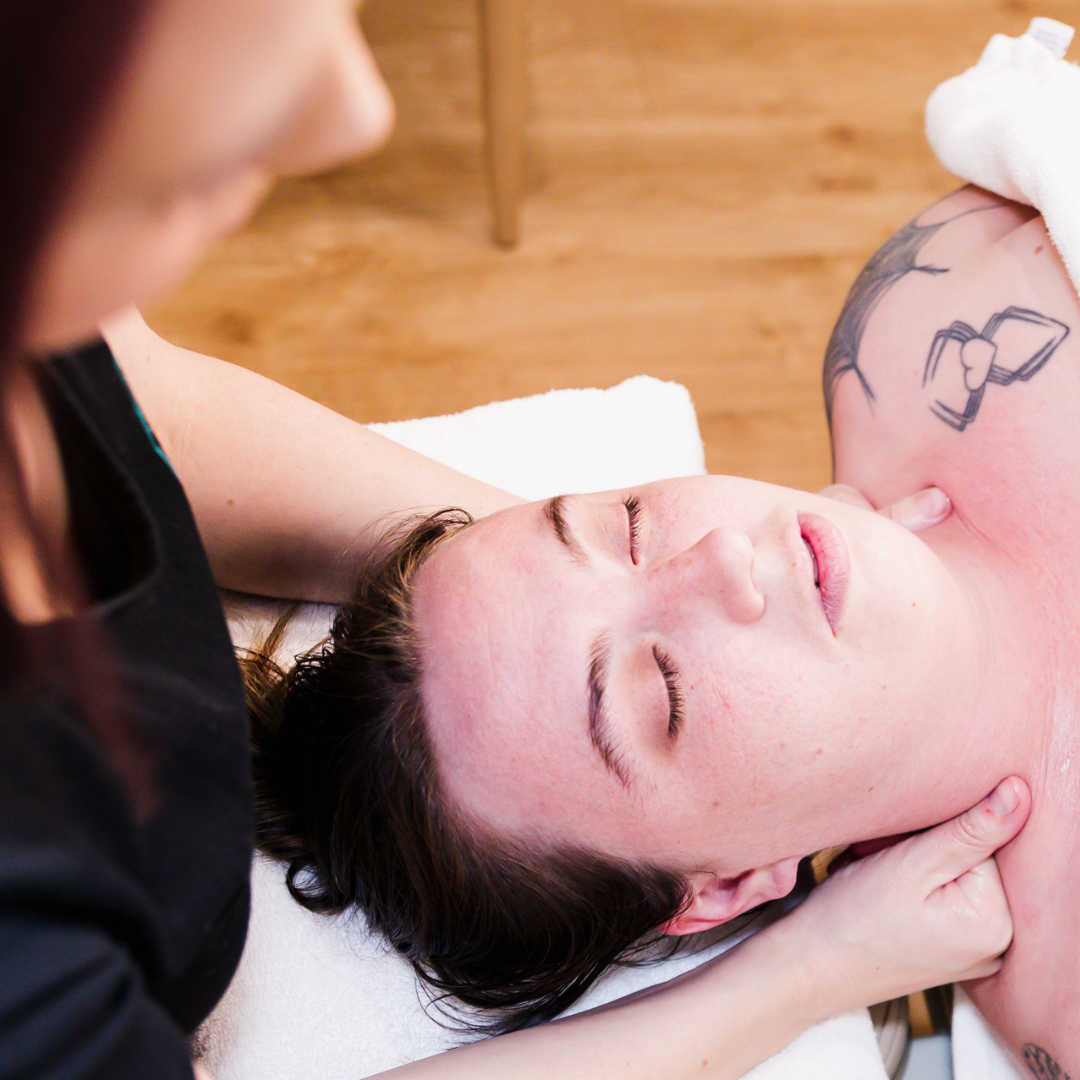 What are the symptoms?
You could be experiencing Tech Neck if you have noticed some of the following symptoms;
If you have any of these symptoms and are using a screen regularly, this can be one possible cause for the discomfort you are experiencing. Tech has become an essential part of our daily lives and whether we like it or not, it’s here to stay. So we need to understand what this is doing to our body’s and how we can help prevent long term damage and support a healthier spine. The human head weighs about 5kgs, and all of that weight is being supported by our postural muscles of the neck, chest and upper back. The neck muscles are supporting most of that weight. When you are looking down at your screen, these neck muscles engage to stabilise your head for you. Being in this forward flexed position for prolonged periods of time just adds to the amount of stress being placed onto these muscles and eventually, they will become tired, tight and sore. Overtime, without treatment this can lead to more complex neck, upper back and shoulder conditions affecting mobility, functioning and quality of life. It can also lead to fatigue, poor concentration, sleep disturbance, frustration and reduced productivity. Fortunately before it gets to this stage you have a really effective, accessible and non-invasive treatment method to manage these symptoms naturally. Massage and Myotherapy work to free up and loosen these affected neck muscles. Regular treatments help to prevent ongoing issues arising as a result of overuse of screens. Our therapists will also advise you on easy, affordable and time-wise prevention strategies you can use at home in between treatments to alleviate your pain and increase the effectiveness of our treatments. Prevention What can you do at home to help prevent Tech Neck becoming an issue for you?
Keeping up with some of these simple preventative measures at home can help reduce the frequency of and intensity of your symptoms. If you are unsure whether your symptoms are as a result of Tech Neck or some other condition, it is always best to visit your primary health care provider to eliminate other potential causes. With some regular Massage and Myotherapy treatments, Tech Neck can be well managed and we can give you some specific advice including home care & exercises to maintain the health and integrity of your neck muscles. Make a booking with one of us at Simple Wellness and we will assess your symptoms and provide a customised treatment plan to get you the best results for your Tech Neck. |
Meet Our Team
We have a team of great practitioners available 7 days a week at our Rowville clinic. Archives
July 2024
Categories
All
|
 RSS Feed
Got a question about Myotherapy?
Contact Mel by phone, email or Facebook

Simple Wellness Myotherapy & Remedial Massage Clinic
Shop 12B 150 Kelletts Rd Rowville VIC 3178 |

Phone us on
03 8204 0970 |

|