
Simple Wellness Myotherapy, Osteo & Remedial Massage
  • Home
  • Treatments & Bookings
  • Myotherapy FAQs
  • Osteo FAQs
  • Meet Our Team
    • Mel Simon
    • Dr Sarah Varmalis
    • Duke Autret
    • Kel Levi
    • Peter Pascalis
    • Rachael Bird
    • Andrew Wickens
  • Patient Stories and Testimonials
  • Blog
  • Contact
  • Gift Certificates
  • Rowville Osteo - Dr Sarah Varmalis
  • Sports Myotherapy - Rehab Injuries & Return To Match Fitness
  • Dry Needling for Pain Relief
  • Myotherapy for Womens Health Conditions
  • Bookings
  • Fremantle Myotherapy & Remedial Massage

Heel Pain that feels like Hell? We can Help!

30/1/2020

 
Does this sound familiar?
Terrible pain in your first few steps in the morning.
Pain on standing up if you’ve been sitting for a little while.
Putting weight on that foot can be agony.
You feel it strongest in the heel or arch of your foot.
Once you get moving it seems to calm down.

If you're saying yes to these symptoms, you could be dealing with a condition called Plantar Fasciitis. Its quite common, and one of the most frequent foot pains that our myotherapists help people with.

Picture
Plantar Fasciitis is a very painful condition that affects your heel and the sole of your foot. Often the mornings are the worst pain, people often explain they feel like they have to hobble about for the first few minutes of their day.

Usually it affects one foot or the other - some very unfortunate people can get both feet affected at the same time.

Symptoms include heel pain; arch pain; altered walking patterns; cramps or spasms in the sole of the foot. Usually the pain reduces after getting moving, but those first few steps can be uncomfortable through to excruciatingly painful.

What kinds of treatments work best for Plantar Fasciitis?
The techniques I've found that work the best for people with Plantar Fasciitis are:
  • Myofascial Release of the lower leg muscles that lead into the plantar fascia
  • Cupping for the heel and soles of the feet
  • Muscle Energy Technique stretching for the sole of the foot and the back of the calf
  • Taping the sole of the foot and the lower leg
  • Dry needling the calf

The hands on treatment sessions are only part of the recovery plan though. Like with most pains or injuries, looking at the way you move and stretch outside of your time in the clinic is important to helping you feel better, quicker. Our therapists will show you some simple but effective movements that help you to stretch your foot and leg to reduce the pain. We can also offer you some temporary pain relief suggestions like ice bottle rolling and using spiky physio balls.

Ready to look at a plan for kicking Plantar Fasciitis?
Book a 60 Minute Initial Consultation with us. We'll assess your movement and muscle balance, give you a feel-good hands on treatment, and walk you step by step through your treatment plan.

Can Massage help with my Headache?

23/1/2020

 
Headaches are one of the most common issues our Myotherapists and Remedial Massage Therapists help people with.
Picture
There are a bunch of variable ways that headaches can turn up - sometimes affecting only one side or the other; sometimes just the top, sides, or back of your head; sometimes very pinpoint spots like right behind your eyes; squeezing tension bands across your temples and eyebrows; starting from your jaw and spreading upwards; or just generally your entire head.

No matter which type you get, its never a good day if you need to persevere with a headache.

There are a lot of factors that can influence headaches.
Trigger points in your neck, shoulders and face can send some intense referred pain headaches, and these trigger points respond particularly well to hands on treatments like remedial massage, cupping and gentle mobilisations.

Dehydration and exhaustion can be linked with headaches. If you suffer regularly, keep an eye out for your usual water intake and sleep patterns. By improving your quality of sleep and the amount of water your body has available to use, you may find your headaches reduce or go entirely!

Stress and hormonal changes can also lead to headaches.
Have you ever noticed how your neck, shoulders and face become much tighter when you're under stress? Do you clench your teeth, or hunch into a protective position?
Some women find that they get a headache at specific times during their cycle due to changing hormone levels. Hormones are something that are outside of our scope as remedial massage and  myotherapists, but many of our patients have found Acupuncture to be a useful tool in balancing hormones. Our good friend Amanda at Upwey Acupuncture can help you explore hormonal treatment options, including menstrual and menopausal symptoms.

Eye strain can bring on headaches, as I found out last year! We got a new TV and I got intense tension band headaches every time I watched it for longer than about 10 minutes. My optometrist checked my vision and prescribed my glasses to help reduce the strain on my eyes, and it helped resolve my headaches! If you already wear glasses, is it time for a check up? If you don't wear glasses, perhaps an eye test could be helpful for you.

Aside from taking over the counter medications like Panadol, how can you get help with easing and resolving a problematic headache?
A great first step is to book with one of our therapists so we can assess your headaches and determine if they have a musculoskeletal origin. We can often help people get rid of their headache and set them up with a plan to prevent future headaches.

A Short 40 Minute Initial Consultation is ideal for your first appointment to investigate your headaches.

Is your Elbow being a real pain in the Arm?

16/1/2020

 
You’ve been told you have Tennis Elbow, but you don’t even play tennis?
The pain can catch you off guard, and make normally simple tasks feel really difficult - opening jars, turning door handles, shaking someones hand, maintaining your grip on something.
This type of pain can feel like a deep muscle aching, a stretch in the muscle, sharpness when you move, or a combination of these feelings.
Picture
Our Myotherapists and Remedial Massage Therapists can help by creating a treatment plan for you that relieves the pain and gives you back your strength and ability to turn, twist and grip again.

Tennis Elbow is a painful condition of irritation and inflammation of the tendons around the outer side of your elbow. Its normal to feel the dull, constant ache throughout the day, and have the pain turn into sudden, sharp or shooting pain when you move your elbow or wrist, or try to grip something or twist a lid or door handle.

It can happen if you spend a lot of time doing repetitive wrist movements like typing, using tools, carrying something heavy for a long period of time. We see it with people who play musical instruments too, or video gamers who get so into the game they forget to take a break for hours on end.

Our typical treatments for this kind of pain will look at assessing your movement and strength first so we can plan out some short and long term goals. Our short term goals are usually the ones you want the most - to get rid of this awful pain!! But its also important to plan for the long term goals of recovering the strength in the area so that this feeling doesn't come back.

A series of hands on treatments can help to reduce the pain and sensitivity in the area, and we'll give you a few movements that help that you can focus on between treatments. This is a pain that tends to respond well to doing some stretch and strengthening movements each day, starting with small easy movements, working up to more challenging or weight resisted ones.

The hands on part of your treatment may include some remedial massage, cupping, active release techniques, dry needling, and trigger point therapy. Afterwards we can support your elbow with kinesiotaping to reduce pressure over the joint and tendons.

Do you need help with elbow pain?
Our therapists are ready to help assess your pain and work with you to create a treatment plan to reduce the irritation and restore your movement and strength.
Book your first consultation with us now!

Rotator Cuff Pain - What Is It And How Can You Get Help?

9/1/2020

 
Most people have heard of the Rotator Cuff being a big culprit of shoulder pain, but do you know what it is and how to get help?
Our Myotherapists and Remedial Massage Therapists help a lot of people with Rotator Cuff pain - its one of our most commonly treated pains!

Picture
The Rotator Cuff is a group of 4 muscles that all work together, and they have different actions. So when you come in with a Rotator Cuff injury, the first thing we’ll work out for you is which muscle is causing you to feel the pain.

The job of the Rotator Cuff group is to move and stabilise your shoulder, and it does that by making what I like to light heartedly call the Shoulderblade Sandwich. Imagine your shoulderblade bone (scapula) as the filling of the sandwich, and the Rotator Cuff muscles are the bread on either side. The muscles on the outer side work to lift your arm and rotate it outwards away from your body, and the inner muscles rotate your arm inwards.
The most common issues we see with Rotator Cuff complaints is tight muscles referring pain, or muscle tears.

Rotator Cuff referral pains can be felt locally around the shoulder, as well as further down your arm, elbow, wrist and hand.

If you've got a Rotator Cuff tear or a partial Rotator Cuff tear, you'll likely notice pain and difficulty on raising or rotating your arm.

Muscle tears can be identified on an ultrasound. If you’ve already had the ultrasound and been given the report that you have a tear, the next step for you is to rehabilitate that muscle, and we can help!

Pain from shoulder and Rotator Cuff injuries usually respond well to hands on treatments like massage, cupping, or dry needling. We also like to help stabilise your shoulder using kinesiotaping.


So how do you get help if you think you might have a Rotator Cuff problem?
Firstly, book a time to come see us so we can help you find which of those 4 muscles is acting up. We’ll do some muscle testing and make a plan for reducing your pain and getting you strong again.

If we think you may need an ultrasound to check for possible muscle tears, we can refer you to Dr Waj Dib here at Together Medical Family Practice in Knoxfield. Dr Dib is a fully bulk billed GP who can send you for scans if you need them.

You’ve Just Injured Yourself – Now What?

4/11/2019

 
Picture
Whether you’re an athlete or a weekend warrior, an injury can set you back when it comes to your exercise goals. How you handle an injury can make a big impact on the recovery process. If you want to speed up your recovery and minimise the risk of injury in the future, this is the guide for you.

​What to do immediately after an injury

So you’re reading this right as you’ve hurt yourself. Props to you for Googling the answer!
But on a serious note, it’s good to have the injury assessed by a GP if you suspect a fracture, dislocation or muscle tear. That way, you know right away whether you will need any significant treatment such as surgery or a cast.

In the meantime, start with elevating the injured body part. This helps to reduce fluid retention in the area. It also means you’re not on it, so you’re less likely to keep injuring it!

Rest and elevation are also a good idea for minor injuries such as sprains and twisted ankles. If you have a pre-made support or brace for the injured part, you can pop it on for some stability and compression. If not, you might like to bandage it if compression feels supportive for you.

There is a bit of debate out there about whether heat or ice is best for an injury. Ice is the old-school treatment, and may be useful for reducing pain sensitivity and fluid retention. On the other hand, if there is pain without any swelling, a heat pack or warm bath might help increase blood flow to the area and reduce pain.

Once the swelling has gone down

This is the time when it’s good to see your friendly local myotherapist. We can’t really help if you’ve just done a significant injury such as a break or a muscle tear. But after the first few days, we can put together a treatment plan to get you back to your everyday life ASAP.

Some of the therapies we can offer to help you recover include:
  • Joint mobilisation
  • Taping to gently support the injured body part
  • Massage, dry needling and trigger point therapy for surrounding areas that cop the load while you’re unable to use the injured part properly

How to support recovery and reduce risk of re-injury

Are you ready to jump back into it after an injury? Here are some tips to maximise recovery and minimise your risk of getting hurt again.


Start slow – I know you want to jump straight back in, but this is a recipe for disaster! When you’ve been injured, your body part often needs time to strengthen and get back to your pre-injury levels. Begin with low impact versions of movement such as yoga and walking, and build up over a period of 4-12 weeks depending on your injury.


Use rest and compression after exercise – if you do find your injured area aching or swelling after exercise, head home to rest and a support or brace. This can minimise the fluid retention and ease any pain you might experience.


If you experience sharp or shooting pain, stop – some aches are common as you get back into movement. But sharp, shooting or severe pain is a sign that something is not ok. Stop whatever you’re doing until your pain has been checked out by a qualified practitioner.


Eat plenty of nutrient-dense foods – even if your rehab program is perfect, your body can’t recover without the good nutrients you need for healing. Eating plenty of fruit, veggies, nuts, seeds, herbs, spices and high-quality is protein is a good start, according to our nutritionist friend Samantha Gemmell.


Work with a myotherapist – a myotherapist can help you with rehab exercises to rebuild strength. But they can also keep you on track with supportive taping and addressing any muscle imbalances.


Are you dealing with an injury? Our myotherapist Emily works with people with sports injuries, particularly muscle tears, joint injuries and rehab. Her goal is to get you back to training, events and everyday life as soon as possible while minimising your risk of re-injury.


To book an appointment with Emily, head to our booking page and select ‘Emily Wells’ as your practitioner.

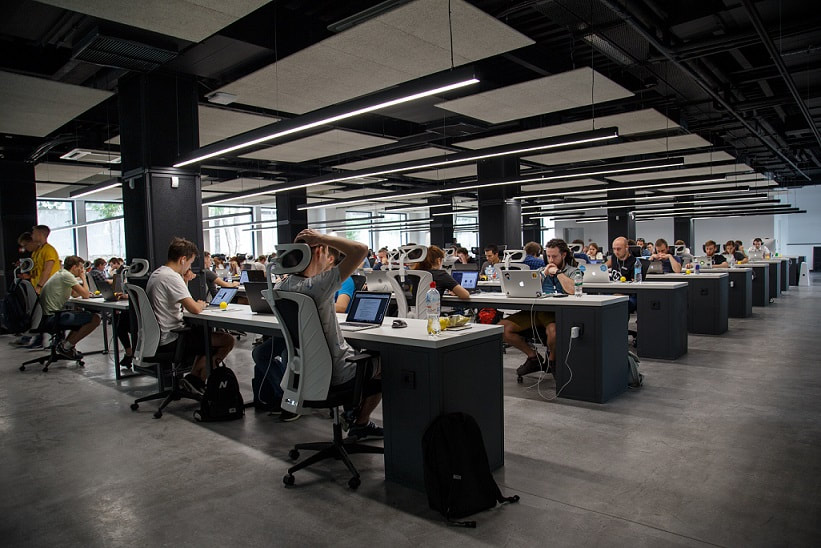
A Myotherapist’s Top Tips For Desk Workers

28/10/2019

 
Picture
If you work at a desk for hours on end, you know that it can be uncomfortable at the best of times. Office workers have just as much risk of injury and chronic pain as other more physically strenuous occupations. You may be at risk of issues including back pain, neck pain, repetitive strain injury or RSI and carpal tunnel syndrome.

So how can you minimise your chance of hurting yourself and stay at the top of your game? Our myotherapist Emily shares some of her tips for staying healthy and preventing pain and injury for office workers.

Stretch often
When you’re focused on your work, you often forget to shift position. Unfortunately, our bodies weren’t designed to stay in a position for hours at a time. That’s why the simplest tip is to stretch whenever you feel stiff, sore or fatigued.

Stretching can also help to boost blood flow to the brain, which means you are more focused and productive.

You can simply stretch at your desk if needed – stretch out your neck, shoulders and back, and do some circles with your ankles. But you can also do a standing stretch, which brings us to our next tip.

Set yourself reminders to move
Small amounts of movement throughout the day add up when it comes to preventing office injuries. But when you’re in the zone, you might forget! That’s why it’s useful to set yourself a reminder or alarm on your phone or computer.

Aim for at least 1-2 minutes per hour of movement. This might be standing and stretching, going and getting a glass of water, making yourself a coffee or tea, going to the toilet or just walking around the office to get your muscles and joints moving.

Give a sit/stand desk a try
Desks that can alternate between a seated and standing position have become popular recently. They allow you the best of both worlds – you can sit for a bit, then switch to standing as a break from sitting.

Have a chat to your employer about whether you can trial a sit-stand desk. The good thing is that many people find sit-stand desks boost productivity, so employers are often open to them.

If you work for yourself or you are the boss, you can hire sit-stand desks and other equipment before purchasing.

Make the most of lunchtime
It can be tempting to eat lunch at your desk and power through the to-dos. But your lunch and break times are an opportunity to move around and give your muscles and joints a break as well.

Get up and get moving. Head to a local park to have your lunch if it’s sunny outside. Grab a coffee from the café around the corner. You can even go for a brisk 5-minute walk around the block at the end of your break to wake up your brain and your body. That way, you’ll go back to work feeling refreshed.

Get moving before or after work
Some days you won’t get much time to move at work, so make the most of the hours outside of work. Find a way to get your body moving on a regular basis.


This doesn’t mean you need to slog away at the gym for an hour every day. You can do some yoga stretches at home, walk the dog or go to the playground with your kids.

If you do find yourself too tired to move after work, try getting up 15 minutes earlier and go for a walk around the block before work. It seems counter-intuitive, but exercise actually boosts your energy and relieves fatigue. Even a little bit each day will add up!


Get a regular remedial massage or myotherapy treatment
Your muscles and joints need care, just like every other part of you. That’s why regular treatments can help to prevent injury and pain.

Our desk worker clients find that a treatment every 2-6 weeks helps to relieve tension and pain. Many report that they have fewer headaches, lower stress levels, improved sleep and mood and greater movement in joints and muscles. So if any of those are on your wish list, regular massage and myotherapy might be the answer!


Is regular massage or myotherapy on your to-do list? Our myotherapist Emily is currently open for new clients. You can book with a session with her here.


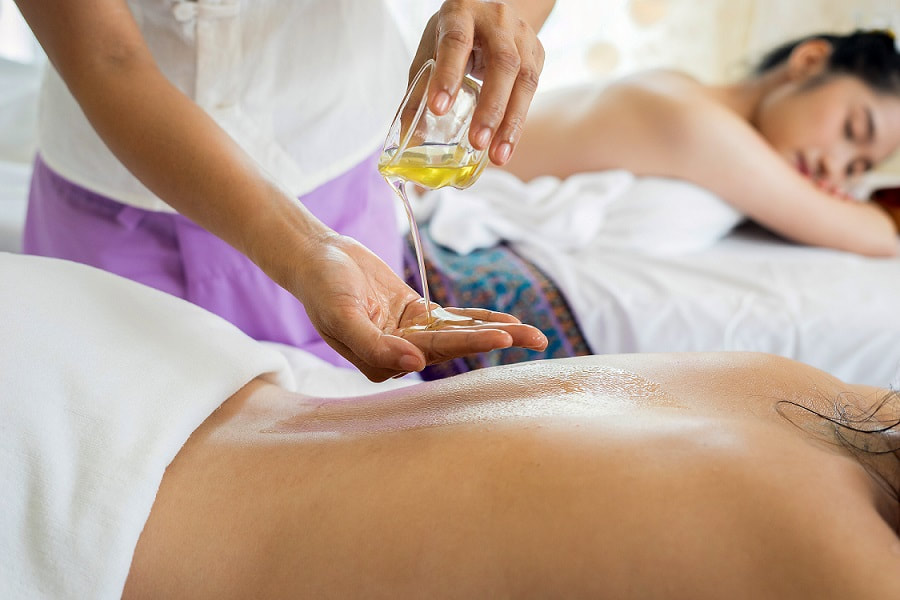
Massage At A Spa VS Massage At A Clinic – What’s Best?

21/10/2019

 
Have you ever had a massage at a day spa before? If not, you might be wondering whether a massage at a spa is similar to a massage you receive in a clinic setting.

One of our myotherapists, Emily, has experience in both a day spa setting and a clinical setting. So today, she’s sharing with us the similarities and differences, as well as why you might opt for one over the other.
Picture
Why you seek out a treatment
For the most part, people who seek out a spa massage treatment want to feel great. They want to enjoy a massage that relaxes them, but usually aren’t looking for any other outcome.

On the other hand, people who seek out the services of a remedial massage therapist or myotherapist are looking for a specific outcome. When you book remedial massage or myotherapy, you generally want to alleviate symptoms such as pain, or at least prevent future pain and flares.

The aim of a massage treatment
As the reason for seeking treatment is different, it makes sense that the aim is also different. A spa massage therapist will aim to give you a massage treatment that feels good, relieve tension and helps you to feel more relaxed.

A remedial massage or myotherapy session in a clinic will have specific goals and outcomes. This is because you will generally come in with an aim of having pain or an injury treated, managed and/or prevented. We will put together a treatment plan based on your needs and goals, and review that regularly.

In a spa massage, there may be other treatments or tools involved such as hot stones or aromatherapy. Again, these are focused on relaxing you more and easing general stress and tension.

On the other hand, remedial massage and myotherapy can involve a whole toolbox of techniques, depending on your needs.

At Simple Wellness Myotherapy, we use dry needling, cupping, joint mobilisation, trigger point therapy, rehabilitation exercises and taping. Not everyone will need all of these in their treatment plan, but we can tailor your plan to your needs and goals.

What to expect in a 60 minute spa massage
Here is how a typical spa massage will run:
  • 1-2 minute chat with your massage therapist about the areas you would like to have massaged
  • 55-58 minutes of massage
  • 1-2 minutes to change and head back to reception
No follow up or assessment after the treatment will take place.

What to expect in a 60 minute clinic massage
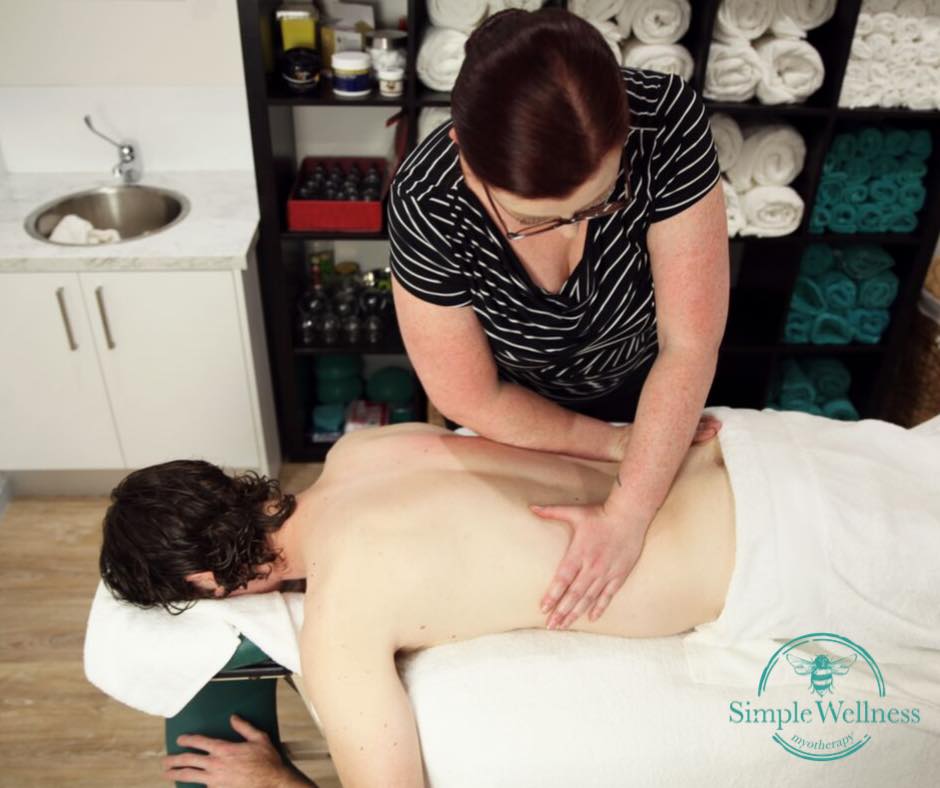
This is how a massage or myotherapy treatment runs at Simple Wellness:
  • 5-10 minute sit-down consultation. We chat about your health history and the pain or injury you want to address. This is also when your therapist will assess and test anything relevant such as your range of movement in a joint.
    Once we’re clear on what is the priority, we’ll discuss our recommended treatment plan for the session, including the techniques we want to use and the goal of treatment.
  • 45-50 minutes hands-on techniques. This may include a combination of massage, dry needling, cupping, joint mobilisation and trigger-point therapy.
  • 5-10 minutes of reassessment and prescription. This is when we may recommend at-home exercises and other ‘homework’ for taking care of your injury or condition. We’ll also discuss our recommended treatment plan going forward, including how often we’d like to see you to help you achieve your goals.

Which is better – spa massage or clinical massage?
It’s not really a competition because they are so different! If you’re just looking to treat yourself and enjoy a relaxing massage, there’s nothing wrong with a sneaky spa massage. Spa massage may also be preferable if you’re looking to have other beauty treatments.

But if you’re dealing with pain, injury or significant tension, a clinical massage from a remedial massage therapist or myotherapist is best. Clinical massage is also better for preventing injuries and flare-ups of previous injuries and pain.

Looking for a clinical massage? At Simple Wellness Myotherapy, we offer both remedial massage with our therapist Helvi and myotherapy with Emily and Mel. You can book an appointment with one of our practitioners here.
10 Reasons To Get A Massage This Week

3/10/2019

 
Picture
Looking for an excuse to get a massage? We hear you! Massage can have a variety of benefits, especially when you are treated by a qualified remedial massage therapist. Here are our top 10 reasons you might want to get a massage this week.

You’re stressed out

Let’s face it – most of us live pretty hectic lives. Between family, work, social life, hobbies and more, there isn’t much time for stress-relieving activities.

Putting aside an hour for massage isn’t just about feeling good. Research has found that massage therapy can reduce the level of your stress hormone cortisol, as well as boosting up your feel-good brain chemicals. So it relieves stress physically as well as mentally.

You’ve been hitting the gym lately

Whether you’re doing a 12 week challenge at your gym or getting outside for a bootcamp, increasing your exercise can mean a lot of aches and pains.

Massage is a great option for after a workout to aid with recovery. But you can also book yourself in regularly to address any tightness or discomfort in the muscles that can limit your gym efforts.

You want to be more flexible

Our bodies are designed to be flexible. But our modern world has had a big impact on how flexible the average person is. Between office jobs, Netflix and cars, we spend a lot of time sitting on our muscles instead of stretching them out.

When a massage relieves tension in a ‘tight’ area, it can help your muscles, ligaments and tendons to be more flexible.

You have a new fitness goal or event in mind

Set a goal to run a marathon in 12 weeks? Signed up for Tough Mudder or a Spartan race? Want to be the next Ninja Warrior? Maybe you just want to get back to doing a proper push-up.

Whatever your fitness goal or event, a massage will relieve tension. A remedial massage therapist can also let you know if you have any significant areas of tension or muscle imbalances that may increase your risk of injury.

You’re sore or aching

There are many reasons for feeling sore. But one of the simplest solutions is to get a massage. Massage can soothe away the aches and pains.

If your pain is more chronic, massage can still help to relieve symptoms. In fact, research suggests that multiple massages may be more beneficial for relieving symptoms of pain for issues such as chronic neck pain. Sounds like a good reason to book in a few appointments!

You’ve got a headache

A nasty headache can really screw up your plans and leave you grumpy. So why not get a treatment that can relieve those symptoms?

Research has shown
that massage can reduce the duration of a headache, as well as reducing frequency for those who experience chronic tension headaches.

Think it’s more of a migraine? Massage can still help. One study found massage can reduce migraine pain by up to 68%. Just make sure you’re safe to drive, or ask a friend to drive you to your appointment.

You haven’t been sleeping well

If you’re not sleeping soundly, your body and mind can suffer some nasty consequences. Poor sleep can have many factors involved – caffeine, food choices, technology use, lack of sun exposure, stress, family, work, the list goes on.

The good news is that massage can help address many of these factors as well as priming your body for sleep. There is plenty of research showing that massage can help with sleep. It can even help with sleep concerns for specific groups such as people with chronic pain or pain conditions, heart failure or post-menopausal insomnia.

Your mental health has been a little low lately

Whether you’re feeling blue or are getting anxious over little things, mental health is something to take seriously. When you’re not feeling ok, it can be hard to take steps to help yourself feel better. But one simple and enjoyable step is a massage!

A review of 37 massage therapy studies
found that the greatest impact of massage is its ability to reduce anxious and depressive symptoms. In fact, they suggested that a course of several massage treatments showed similar benefits to psychotherapy!

It’s been a while since you’ve taken care of you

Most of us are great at taking care of others. But we’re not so good at taking care of ourselves – physically, mentally or emotionally.

Massage is a one-stop shop treatment for all of these aspects of self-care. Your body feels good, your stress levels drop and you are looking after your mental wellbeing.

Because you can

We think this is the best reason of all! If you’re looking for an excuse to get a massage, that in itself is a good enough reason for a massage.

To book a massage with our remedial massage therapist Helvi, head to our booking page and select ‘Helvi Topia’ as your practitioner.

Whats the difference between Myotherapy and Remedial Massage?

21/11/2017

 
This is one of those questions I get asked really often.
Myotherapy is still a fairly new term in the health world, its been picking up in popularity in Australia over the last 15 years or so.
My path into Myotherapy began in Remedial Massage, and I see a lot of similarities between the two modalities, as well as the differences.
Picture

The Similarities

  • Both are hands on physical treatments that move and manipulate soft tissue to relieve pain.
  • Techniques used by both Myotherapists and Remedial Massage therapists include massage, trigger point therapy, myofascial release and stretching.
  • Both can be used for preventative care and to maintain good muscle health.
  • Most private health funds provide rebates for both Myotherapy and Remedial Massage - and some health funds give you a separate limit for each! We're with Frank Health Insurance, and our plan gives us $300 per year in Myotherapy and $300 per year in Remedial Massage! Winner!!

The Differences

  • A Myotherapy treatment includes a more extensive initial assessment, including your health history, doing special tests, forming a clinical impression and developing a treatment plan to specifically resolve your pain.
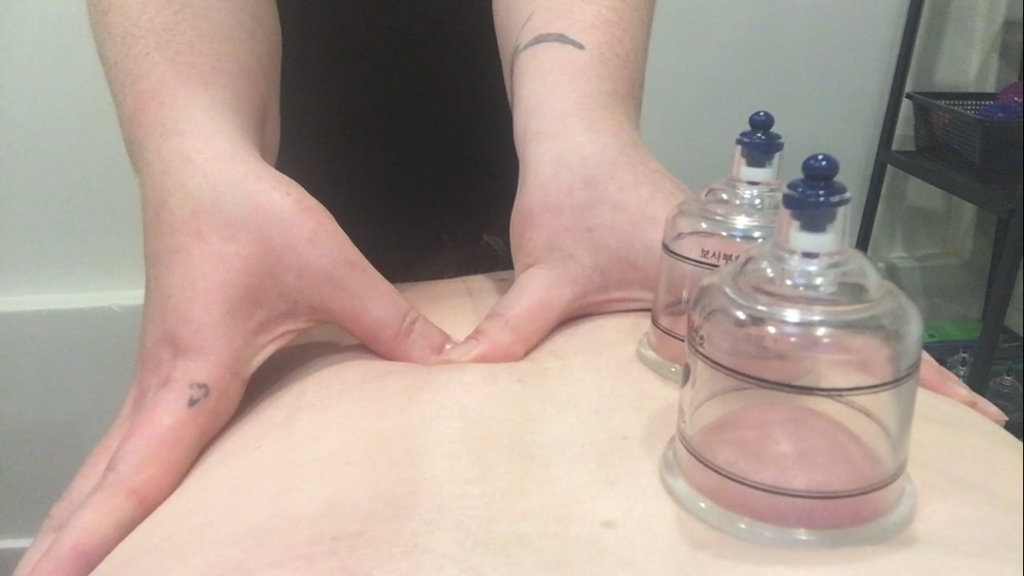
  • Myotherapy includes additional techniques like dry needling, cupping, kinesiotaping, muscle energy techniques, joint mobilisation, and corrective exercise prescription.
  • A Myotherapy treatment is usually for a specific injury, pain or muscular dysfunction - for example, a sharp pain when you raise your left arm or sciatic pain in the right leg, rather than a full body treatment.
  • Myotherapists have extra study time under their belt, including pain science, neurophysiology, advanced clinical reasoning and more. Myotherapists have either an Advanced Diploma or a Bachelor Degree.

A Myotherapist is a great option if you have an injury, a specific pain area, a recurring or severe pain, or a condition that requires more in depth knowledge and training. Plus a lot of Myotherapists, like myself, came into Myotherapy through a Remedial Massage background. By seeing a Myo for your pain you are likely to get a great range of techniques that feel good and are effective at relieving your pain.

For more widespread aches, pains and tension that are a little annoying but not stopping you from getting on with your day, a Remedial Massage can do the trick.
​
If you have a question, I'd love to answer it! Drop me a line, or feel free to call in in person to the clinic at Balanced Life Health Care in Ferntree Gully.

Would you like to get your treatment plan started? Book your first appointment online.
Forward>>

    Meet Our Team

    We have a team of great practitioners available 7 days a week at our Rowville clinic.

    Mel Simon
    Mel is our Senior Myotherapist.
    She's a nerdy, geeky bookworm who loves to help explain complex pain in an easy to understand way.
    ​She has a special interest in chronic pain conditions like fibromyalgia and Ehlers Danlos Syndrome, and more.

    Dr Sarah Varmalis
    Dr Sarah is an experienced Senior Osteopath. She works with multiple body systems, not just the musculoskeletal system.
    ​Her clinical techniques include addressing concerns with the vascular system, nervous system, and organ systems.​

    Duke Autret
    Duke is an outstanding Myotherapist and Remedial Massage Therapist.
    He has a deep interest in movement and alignment. He enjoys helping people regain strength and mobility to reduce their pain.

    Kel Levi
    Kel is an experienced Myotherapist and Remedial Massage Therapist, currently also working with AFL Premiers Melbourne Football Club.
    She has a great firm pressure and expertly uses Myotherapy tools like dry needling and cupping to ease pain.

    Peter Pascalis
    Peter has over 10 years experience as a Remedial Massage Therapist, and completed his Bachelor of Health Science in Myotherapy in 2022.
    He is known as our Dry Needling Wizard, and gets exceptional results for chronic pain and acute injuries using advanced needling techniques.

    Rachael Bird
    Rachael is a Myotherapist and Remedial Massage Therapist, with a background in beauty therapy. She is enthusiastic about helping people recover from pain and live well.

    Archives

    April 2026
    March 2026
    February 2026
    January 2026
    December 2025
    November 2025
    October 2025
    September 2025
    August 2025
    July 2025
    June 2025
    May 2025
    April 2025
    March 2025
    February 2025
    January 2025
    December 2024
    October 2024
    September 2024
    August 2024
    July 2024
    June 2024
    May 2024
    April 2024
    March 2024
    February 2024
    January 2024
    December 2023
    November 2023
    October 2023
    September 2023
    July 2023
    June 2023
    May 2023
    April 2023
    March 2023
    February 2023
    January 2023
    December 2022
    November 2022
    October 2022
    September 2022
    August 2022
    July 2022
    June 2022
    May 2022
    April 2022
    March 2022
    February 2022
    December 2021
    July 2021
    May 2021
    April 2021
    January 2021
    December 2020
    November 2020
    October 2020
    September 2020
    August 2020
    July 2020
    June 2020
    May 2020
    April 2020
    March 2020
    February 2020
    January 2020
    December 2019
    November 2019
    October 2019
    September 2019
    August 2019
    July 2019
    June 2019
    May 2019
    April 2019
    March 2019
    February 2019
    January 2019
    December 2018
    October 2018
    September 2018
    July 2018
    June 2018
    May 2018
    April 2018
    March 2018
    February 2018
    January 2018
    December 2017
    November 2017
    October 2017
    September 2017
    August 2017
    July 2017
    June 2017
    May 2017
    April 2017
    February 2017
    December 2016
    October 2016

    Categories

    All
    Accessible Helathcare
    ACL
    Acupressure
    Acupressure Mat
    Acupuncture
    Acute Pain
    ADHD
    Adhesive Capsulitis
    Advanced Diploma Of Myotherapy
    Afl
    Aftercare
    Ahm Myotherapy
    Alternative Healthcare
    Alternative Therapy
    Ankle Pain
    Anti Inflammatory
    Anxiety
    Arch Pain
    Arm Pain
    Arthritis
    ASD
    Athletes
    Athletic Performance
    At Home Care
    Autism
    Avoid Surgery For Back Pain
    Bachelor Of Health Science (Myotherapy)
    Back Pain
    Back Pain Rowville
    Ballet
    Bicep Pain
    Biopsychosocial
    Bjj
    Body Systems
    Boxing
    Brazilian Jiu Jitsu
    Breakdancing
    Build Muscle
    Bulging Disc
    Bupa Myotherapy
    Burnout
    Bursitis
    Calf Tear
    Carpal Tunnel
    Case Study
    Causes
    Christmas
    Chronic Conditions
    Chronic Pain
    Circulation
    Clinical Massage
    Clinical Myotherapist
    Clinic Hours
    Cognitive
    Cool Tools
    Corrective Exercise
    Counterstrain
    COVID19
    Cracking Joints
    Cramp
    Crepitus
    CT Scan
    Cupping
    Cupping Ferntree Gully
    Cupping For Lower Back Pain
    Cupping For Pain Relief
    Cupping Rowville
    Cycling
    Dance
    Dance Injury
    Deep Tissue Massage Rowville
    Dehydration
    Diet
    Digestion
    Disc
    Dislocation
    Does Dry Needling Hurt?
    DOMS
    Dr Sarah Varmalis
    Dry Needling
    Dry Needling Ferntree Gully
    Dry Needling For Neck Pain
    Dry Needling For Pain
    Dry Needling For Sciatica
    Dry Needling Rowville
    Duke Autret
    Easter
    Eds
    Ehlers Danlos Syndrome
    Elbow Pain
    Endometriosis
    Endorphins
    Energy
    Ergonomic
    Ethan Farr
    Exercise
    Exercise For Lower Back Pain
    Exercise For Shoulder Pain
    Exercise Pain
    Exercise Plan
    Exercise Science
    Exercises For Shoulder Pain
    Exhaustion
    Facet Joint
    Facet Joint Sprain
    Fascia
    Fascial
    Fatigue
    Feet
    Ferntree Gully Acupuncture
    Ferntree Gully Chiropractor
    Ferntree Gully Myotherapy
    Ferntree Gully Naturopath
    Fibromyalgia
    Fitness
    Flame Cupping
    Flare Up
    Flexibility
    Foam Roller
    Football
    Foot Pain
    Frozen Shoulder
    Gentle And Effective Treatment Of Pain
    Glutes
    Golfers Elbow
    GP Ferntree Gully
    Guest Blog
    Gut Health
    Gym
    Hamstring
    Hamstrings
    Hcf Myotherapy
    Headaches
    Health And Well Being
    Health And Well-being
    Health Insurance
    Heat Pack
    Heel Pain
    Herniated Disc
    Hicaps
    HICAPS Remedial Massage
    Hip Pain
    Holiday Opening Hours
    Holistic Massage
    Holistic Remedial Massage
    Holistic Treatment
    Homecare
    Hormonal Imbalances
    How Dry Needling Works
    Hydration
    Hydrotherapy
    Hypermobility
    Hypomobility
    Hyrox
    Illness
    Illness Policy
    Inflammation
    Injury
    Injury Assessment
    Injury Prevention
    Injury Recovery
    Injury Rehab
    Intention Tremor
    Interview
    Involuntary Muscle Contraction
    Its NOT All In Your Head
    Jaw
    Jazz Dance
    Joint Mobilisation
    Joint Pain
    Joint Sounds
    Joint Sprain
    Kinesiology Taping
    Knee Osteoarthritis
    Knee Pain
    Knots
    Knoxfield Myotherapy
    Knoxfield Remedial Massage
    Leg Pain
    Lifestyle
    Lifting Techniques
    Lose Weight
    Low Back Pain
    Lower Back Pain
    Low Impact Exercise
    Lymphatic Drainage
    Lymphatic System
    Magnesium
    Manual Therapy
    Marathon
    Martial Arts
    Mask
    Massage
    Medibank Myotherapy
    Medication
    Meditation For Anxiety
    Meditation For Holistic Wellbeing
    Meditation For Pain Management
    Meditation For Relaxation
    Meditation For Stress
    Meditation Rowville
    Meet The Team
    Megan Cornish
    Meniscus
    Mental Health
    Microbiome
    Migraines
    Mindfulness Rowville
    Mobilisation
    Morning Pain
    Motivation
    Movement
    MRI
    MS
    Muay Thai
    Multiple Sclerosis
    Muscle
    Muscle Cramps
    Muscle Energy Technique
    Muscle Imbalances
    Muscle Manipulation
    Muscle Pain
    Muscle Soreness
    Muscle Tension
    Muscle Weakness
    Musculoskeletal
    Myofascial
    Myotherapist Rowville
    Myotherapy
    Myotherapy For Kids
    Myotherapy For Teens
    Myotherapy Rowville
    Myotherapy Sunday
    Myth Busting
    Natural Anti Inflammatory
    Natural Anti-inflammatory
    Natural Pain Relief
    Naturopathy Fibromyalgia
    Naturopathy Osteoarthritis
    Neck Pain
    Neptune Mat
    Nerve Pain
    Netball
    Neurodiverse
    Neurological Conditions
    Neuroscience
    New Skills
    New Therapist
    No Pain No Gain?
    Numbness
    Nutrition For Pain
    Nutritionist
    Office Workers
    Online Meditation Group
    Organ Systems
    Osgood Schlatters
    Osteo
    Osteopathy
    Packages
    Pain
    Pain Assessment
    Pain Killers
    Pain Management
    Pain Recovery
    Pain Relief
    Pain Research
    Pain Science
    Pain Studies
    Pain Toolkit
    Patellar Tendinopathy
    PCOS
    Pelvic Alignment
    Pelvic Floor
    Personal Training
    Peter Pascalis
    Pharmacy Ferntree Gully
    Physical Therapy
    Physiotherapy
    Pilates
    Pins And Needles
    Piriformis
    Piriformis Syndrome
    Plantar Fasciitis
    Poor Posture
    Posture
    Pregnancy
    Pregnancy Massage
    Pre Natal Massage
    Preventative Care
    Private Health Rebates
    Progress
    Proprioception
    Rachael Bird
    Randomised Controlled Trial Summary
    Recovery
    Red Flags
    Reduce Cortisol
    Reduce Fatigue
    Reduce Pain
    Referred Pain
    Rehabilitation
    Relaxation For Pain
    Relaxation Massage
    Remedial Massage
    Remedial Massage Ferntree Gully
    Remedial Massage Rowville
    Remedial Massage Sunday
    Repair
    Repetitive Strain Injury
    Research Spotlight
    Resistance Bands
    Retreat
    Rotator Cuff
    Rotor Cuff
    Routine
    Rowville Dry Needling
    Rowville Myotherapy
    Rowville Osteo
    Rowville Pilates
    Rowville Remedial Massage
    Running
    Sacroiliac Joint
    Safe Exercises For Knee Pain
    Sciatica
    Science
    Scoliosis
    Sedentary
    Self Care
    Self-Care
    Shakti Mat
    Sharp Shooting Pain
    Shoulder Bursitis
    Shoulder Impingement
    Shoulder Pain
    Shoulders
    Sij
    Sinus
    Sleep
    Sliding Cupping
    Social Medicine
    Spasm
    Special Events
    Spiky Massage Ball
    Spinal Stenosis
    Spine
    Spondylolisthesis
    Sport
    Sporting Event
    Sport Injury
    Sport Recovery
    Sport Rehab
    Sports Injuries
    Sports Massage
    Sports Myotherapist Rowville
    Sports Physio
    Sports Treatment
    Stability
    Stiff Joints
    Strength
    Stress
    Stretch
    Stretching
    Subluxation
    Sunday Pain Relief
    Support
    Surgery
    Swelling
    Tech Neck
    Tendon Pain
    Tennis Elbow
    Thai Massage
    The May 50K
    Thoracic Outlet Syndrome
    Tingling
    Tinnitus
    TMJ
    Top Tips
    Traditional Chinese Medicine
    Travel
    Treatment Options
    Treatment Plan
    Tremors
    Trigger Points
    Triggers
    Ultrasound
    Urgent Care
    Walking
    Weightlifting
    Weight Loss
    What Is Myotherapy?
    Whats The Difference
    Wholistic Massage
    Why Am I In Pain?
    Winter
    Women's Health
    Womens Health Massage
    Workshops
    Wrist Injuries
    Wrists
    Xray
    Yin Yoga Rowville
    Yoga

    RSS Feed

Got a question about Myotherapy or Osteopathy?
Contact us by phone, email or Facebook
Picture
Simple Wellness Myotherapy & Osteopathy
Shop 12B/150 Kelletts Rd, Rowville VIC 3178
Picture
Phone us on
(03) 8204 0970
Picture
Email us at
​[email protected]
  • Home
  • Treatments & Bookings
  • Myotherapy FAQs
  • Osteo FAQs
  • Meet Our Team
    • Mel Simon
    • Dr Sarah Varmalis
    • Duke Autret
    • Kel Levi
    • Peter Pascalis
    • Rachael Bird
    • Andrew Wickens
  • Patient Stories and Testimonials
  • Blog
  • Contact
  • Gift Certificates
  • Rowville Osteo - Dr Sarah Varmalis
  • Sports Myotherapy - Rehab Injuries & Return To Match Fitness
  • Dry Needling for Pain Relief
  • Myotherapy for Womens Health Conditions
  • Bookings
  • Fremantle Myotherapy & Remedial Massage