|
Hi, I’m Andrew, a Myotherapist with a strong belief in combining treatment techniques to help you achieve the goal that brought you into the clinic in the first place. I’ve been working as a Myotherapist and Remedial Massage Therapist for the past four years across Melbourne’s eastern suburbs and the Yarra Valley. Over that time, I’ve developed a particular interest in treating tendinopathies, headaches and migraines, plantar fasciitis, lower back injuries, and repetitive strain injuries. Whether your injury is acute or something you’ve been dealing with for a long time, my focus is on helping you move and feel better. When pain or restriction shows up, it’s common to wonder: Should I see a physio? A chiro? A myo? They all can help, but what’s the difference? I genuinely believe there are different times and places for each of these professions. Where I see Myotherapy fitting in is in providing targeted soft tissue treatment to reduce pain and restriction, so you can properly perform your exercise program, get back on track, and prevent further problems. Temporary relief is an important part of the journey of reaching your health goal. One of the most common questions I get is: “What does myotherapy even mean?” “Myo” simply means muscle, so in the simplest terms, I’m a muscle therapist. Personally, I think “muscle specialist” describes what we do even better. Myotherapy focuses on the muscular aspect of your pain, using a wide range of skills and knowledge in treatment. This includes hands-on techniques, corrective exercises, practical advice, and ergonomic adjustments to support you in everyday life. I often describe a Myotherapist as sitting somewhere between a Physio and a Remedial Massage Therapist, combining thorough assessment and exercise prescription with strong hands-on treatment skills. Some of the techniques I use include:
If you’re dealing with pain, tightness, or movement restriction and want a balanced, practical approach to treatment, I’d love to help. Book in a treatment with me on Tuesdays, Wednesdays or Fridays from 3pm–7pm. By Rachael Bird, Myotherapist Muscle soreness:
Why? This is your body adjusting to the work that had been done Muscles have been stretched, released, or worked in a new way to aid in restoring function. What You Should Know: Over the next few days, you might notice other muscles getting tight.
What Can Help?:
Posture & Movement
Follow-Up & Home Care
Please Contact Your Myotherapist if:
By Rachael Bird, Myotherapist
What you can do to help yourself:
Why it matters: Myotherapy can release tension, restore mobility, and reduce pain — but if your muscles go straight back to the same habits, the benefits won’t last. Putting in consistent small efforts outside of sessions means:
Extra bonus tips for maximum benefit:
Think of myotherapy as your body’s jumpstart — but you’re the driver. The more you engage with your recovery and follow through, the faster you’ll reach your goals. It’s a team effort: we work on your muscles, you work on your habits — and together, your body wins. Remember: change doesn’t happen overnight, but with consistent effort, patience, and the right guidance, your body can move better, feel better, and stay stronger for longer. Every little step you take outside your sessions counts — and over time, those small steps make a big difference. By Peter Pascalis, Clinical Myotherapist Muscle pain can strike suddenly and disrupt daily life. When this happens, many people wonder which therapy will provide the best relief. Should you see a physiotherapist, a chiropractor, or a myotherapist? While these therapies share some treatment methods, the key differences lie in their areas of focus and expertise. Myotherapy stands out as the specialist approach for muscle pain caused by tight, knotted muscles and related nerve issues. This post explains why myotherapy might be the best choice when your muscles are the main problem. Understanding Myotherapy and Its Focus Myotherapy is a manual therapy that targets myofascial pain, which means pain originating from muscles and the connective tissue around them. Myotherapists are trained to identify and treat muscle tightness, trigger points (knots), and nerve irritation caused by muscle dysfunction. Their goal is to restore healthy muscle function and relieve pain by addressing the root cause within the muscle tissue. Unlike some other therapies, myotherapy focuses deeply on muscles and their related nerves. This makes it especially effective for sudden muscle pain that appears without an obvious injury or for chronic muscle tightness that limits movement. Myotherapists use techniques such as:
How Physiotherapy Differs Physiotherapy covers a broad range of physical rehabilitation and injury management. Physiotherapists treat muscles, joints, bones, and neurological conditions. Their work often involves restoring movement after injury or surgery, managing chronic conditions like arthritis, and improving overall physical function. While physiotherapists do treat muscle pain, their approach is usually more general. They might focus on joint mobility, posture correction, and functional movement patterns alongside muscle treatment. This makes physiotherapy ideal for complex injuries or conditions involving multiple body systems. For example, if you have a sports injury that affects both your muscles and joints, a physiotherapist will design a program to address all aspects of your recovery. However, if your main issue is painful muscle knots without joint involvement, myotherapy offers a more targeted solution. What Makes Chiropractic Care Unique Chiropractors specialize in the diagnosis and treatment of musculoskeletal problems, especially those related to the spine. Their hallmark treatment is spinal adjustments, which aim to improve spinal alignment and nervous system function. Chiropractic care is often sought for back pain, neck pain, and headaches linked to spinal issues. While chiropractors may use soft tissue techniques and advice on posture and exercise, their primary focus is on the spine and nervous system rather than isolated muscle pain. If your muscle pain is related to spinal misalignment or nerve compression, chiropractic care can be very effective. But for muscle pain caused by tight or knotted muscles without spinal involvement, myotherapy usually provides more direct relief. Why Myotherapy Excels in Treating Muscle Pain Myotherapy’s specialization in muscle pain means it offers several advantages:
For example, many people experience tight muscles after long hours at a desk or from stress. These knots can cause pain and restrict movement. A myotherapist can quickly identify the problem areas and use hands-on techniques to release the knots, improving muscle function and reducing pain. In our experience, patients often report faster relief from muscle pain with myotherapy compared to other therapies because the treatment is so focused on the muscle tissue itself. When to Choose Each Therapy Choosing the right therapy depends on your symptoms and needs:
If you are unsure, many clinics offer combined approaches or can refer you to the most appropriate specialist after an initial assessment. Practical Tips for Muscle Pain Relief at Home While professional treatment is important, you can support your muscle health with simple habits:
These steps can reduce muscle tension and improve the effectiveness of myotherapy or other treatments. Final Thoughts on Choosing Myotherapy Muscle pain can be frustrating, especially when it appears suddenly or without clear cause. Myotherapy offers a focused, effective approach to treating muscle knots and restoring healthy muscle function. While physiotherapy and chiropractic care have their strengths, myotherapy’s specialization makes it the best choice for muscle-related pain. If you struggle with tight, painful muscles that limit your movement, consider booking a session with a myotherapist. Their expert hands-on care and tailored exercises can help you get back to feeling strong and pain-free. Remember, managing muscle pain is about finding the right treatment for your specific needs. Myotherapy provides a clear path to relief when muscle pain is the main issue. Take the next step and book an appointment to explore how myotherapy can support your muscle health today. Neck retractions, also known as cervical retraction exercises or chin tucks, are a simple and effective way to address neck issues, improve posture, and alleviate symptoms associated with neck pain or discomfort. Here's how neck retractions can help with your neck: Improves Posture: Neck retractions promote better posture by encouraging the retraction of the head over the shoulders. This helps counteract the forward head posture that is common in individuals who spend extended periods sitting at desks or using electronic devices. Reduces Forward Head Posture: Forward head posture, where the head juts forward and out of alignment with the shoulders, can lead to increased stress on the neck muscles, joints, and discs. Neck retractions help bring the head back into a more neutral position, reducing the strain on the neck and upper back. Strengthens Neck Muscles: Performing neck retractions engages the muscles at the back of the neck, including the deep cervical flexors. Strengthening these muscles is important for maintaining stability and supporting the natural curvature of the spine. Alleviates Muscle Tension: Neck retractions can help relieve muscle tension and tightness in the neck and upper back. This is particularly beneficial for individuals who experience discomfort due to prolonged periods of poor posture. Promotes Joint Mobility: The movement involved in neck retractions encourages mobility in the cervical spine. This can be beneficial for individuals with stiffness or restricted range of motion in the neck. Addresses Cervicogenic Headaches: Cervicogenic headaches, which originate from issues in the neck, can be associated with poor posture and muscle imbalances. Neck retractions may help alleviate these headaches by promoting proper alignment and reducing strain on the cervical spine. Disc Pathology: This may have a positive effect on compressed discs, however it should only be done if your healthcare professional advises you to do so. Make sure to ask first before completing as it might not be suited for you. Here's a simple guide on how to perform neck retractions: - Sit or stand with a straight spine. - Gently tuck your chin in towards your chest, as if creating a double chin. - Keep your gaze forward, and avoid tilting your head up or down. - Hold the retracted position for a few seconds, feeling a gentle stretch at the base of your skull. - Relax and return to the starting position. - Repeat the movement several times. It's essential to perform neck retractions with control and without force. If you have any pre-existing neck conditions or if you're experiencing pain during the exercise, it's advisable to consult with a healthcare professional or myotherapist before incorporating neck retractions into your routine. They can provide personalised guidance based on your individual needs and circumstances. By Duke Autret, Myotherapist Spondylolisthesis is a spinal condition that can significantly impact one's quality of life. Understanding its causes, symptoms, and effective treatment options, particularly through myotherapy, is crucial for those dealing with this condition. Understanding Spondylolisthesis Spondylolisthesis is the displacement of one vertebra in the spine onto the vertebra below it due to a defect at the facet joints which hold each vertebral segment to the next. This condition is often associated with a "step off" or "slip" at the L5/S1 level, and its severity is categorised into five grades based on the extent of vertebral slippage. Individuals may experience localised pain, radicular (or referred) pain in the legs and possibly feet, tight hamstrings, and even issues with balance or walking. The gradings of Spondylolisthesis are 1-5 and are determined by the level of ‘slippage’ present i.e. 25%, 50%, 75% etc. And just in case you had come across these other variations on the term and were wondering, they are distinct conditions but all relate to the spinal joints and vertebrae with the same prefix spondy- (spine): Spondylosis (osteoarthritis of the spine), Spondylolysis (a defect in the facet joints of the vertebra), and then what we’re looking at here, the Spondylolisthesis (the slipping of a vertebra on the vertebra below). Causes of Spondylolisthesis Several factors contribute to the development of spondylolisthesis, including:
Symptoms of Spondylolisthesis The most common symptoms include lower back pain and stiffness. Pain may radiate into the legs or feet, causing numbness or tingling sensations. Additional symptoms may include weakness or numbness in the legs, loss of bladder or bowel control (in severe cases), and pain that worsens with activity. Myotherapy Treatment Options For individuals dealing with spondylolisthesis, myotherapy offers effective treatment options that focus on relieving pain and improving functionality.
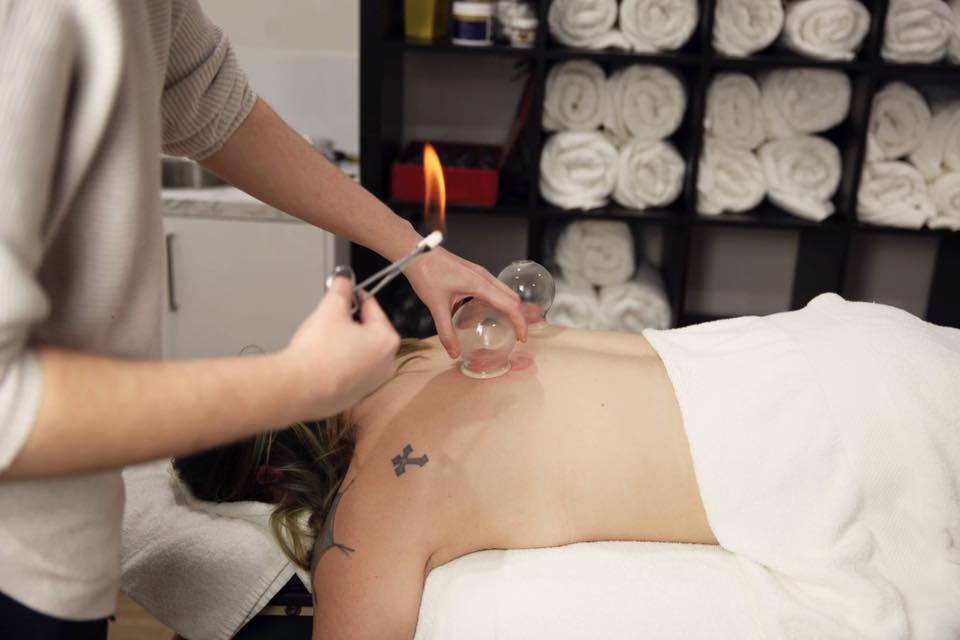
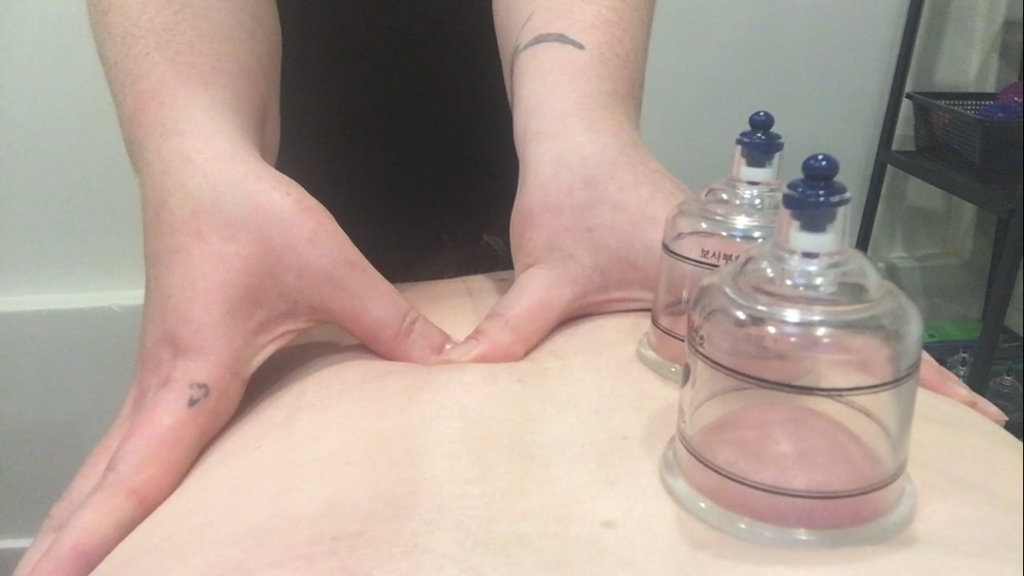
Seeking Relief through Myotherapy Spondylolisthesis can significantly impact daily life, causing pain and discomfort. Myotherapy, with its diverse treatment options like soft tissue massage, trigger point therapy, myofascial release, joint mobilisation, and targeted exercises, provides a holistic approach to alleviating pain and improving functionality. If you are experiencing symptoms of spondylolisthesis, it is crucial to consult with a qualified myotherapist. They can assess your condition and tailor a treatment plan to meet your individual needs. Don't let spondylolisthesis control your life, take proactive steps towards relief and improved wellbeing through myotherapy. If you've ever heard that crack or click in your knees after a jump shot, a sprint, or even just trying to stand up after binge-watching your favorite show, you know how important your knees are. But here's the thing: your knees don’t always get the memo that they’re supposed to be indestructible when you’re diving into a tackle, leaping for a rebound, or taking that final sprint to the finish line. Whether you're an elite athlete or a weekend warrior who still thinks they can dunk like they did in high school (spoiler: you can’t), protecting your knees is something you should take seriously. In this post we’ll dive into the top ways to keep your knees in prime condition, including a not-so-secret weapon: myotherapy. We’ll also look at why taking proactive steps now can help you keep running, jumping, and playing without worrying about that dreaded "clicking" sound becoming your new soundtrack. 1. Strengthen the Muscles That Provide Support for Your Knees Your knees are only as strong as the muscles supporting them. If your quads, hamstrings, calves, and glutes aren’t in top shape, your knees and the ligaments that support them will be forced to pick up the slack—and that’s when the pain and injuries can occur. How to do it: Start incorporating exercises that target the muscles around your knees. For quads, think squats, lunges, and step-ups. These movements also have the added bonus of strengthening the glutes. For hamstrings which sadly tend to be the most neglected muscle in the legs think, hamstring curls, deadlifts (I know a very scary movement but can do wonders when instructed by a great trainer) and RDL’s which is very similar to the deadlift but puts a greater focus on hamstring growth and strengthening. For calves one of the best exercises I would recommend is an elevated calf raise (a calf raise from a step or platform so your heels can go below the balls of your feet. And finally glutes if the quad exercises aren’t quite enough you always have the glute bridge/hip thrust, clam shells or glute kick backs. Through these exercises you build strength and stability, reducing the chances of knee strain during those sharp cuts and sudden jumps. Bonus Tip: Don’t skip your core exercises! A solid core ensures better posture and movement mechanics as well as better transfer of power from the legs to the upper limbs, which can take the pressure off your knees during high-impact sports. 2. Master Proper Technique (Mastering the Basics has Profound Benefits) Improper technique is one of the leading culprits behind knee injuries, especially in sports like basketball, football, and soccer. If your form is off—whether it's during a jump, a sprint, direction change, deceleration or a tackle—your knees are absorbing a lot more stress than they should. How to do it: Focus on landing with your knees slightly bent and your weight centered. When jumping, try to land softly, like you’re gently absorbing the impact rather than slamming down, think landing like a ninja not an elephant. Avoid valgus collapse (when your knees cave inward) while squatting, jumping, or lunging, as this misalignment is a huge stressor on your knees if you’re struggling with this knee control the glute exercise clam will be your best friend. Remember that when it comes to mastering any kind of movement, practice makes perfect or as Bruce Lee once said "I fear not the man who has practiced ten thousand kicks once, I fear the man who has practiced one kick ten thousand times”. Bonus Tip: one small movement inefficiency done repetitively over years of play can have major consequences on joint health it is important that as soon as a joint feel “off” to question why this could be the case consider discussing this with an exercise/movement/biomechanic professional 3. Warm Up and Cool Down (Yeah, It’s Not Just for Old People) Warming up might feel like a chore, and cooling down might seem like wasted time, but both are essential when it comes to protecting your knees. By warming up, you're preparing your muscles for the intense action ahead, and cooling down helps your joints stay limber and keep you moving with the same range of motion which may not see value in yet but you will thank yourself if you get on top of this early. How to do it: For a great warm up, remember RAMP: Raise: raise your body temp and heart rate this can look like a light jog on the spot, skipping, star jumps basic movements required for your sport Activate: engage the muscles required for the activity especially those stubborn muscles that don’t like working as well (looking at you glutes) Mobilise: looking at dynamic stretches and movements that mirror movement patterns used in your activity Potentiate: gradually increase the stress on the body to prepare for the activity, usually looks like starting to add drills or higher intensity drills just before game time Now your ideal warm up will definitely look different from sport to sport it may even look different between two athletes in the same sport it’s important to note that you as an individual may need greater focus on different movements and activation then anyone else Bonus Tip: Warm ups don’t just have to be for muscles. Taking a joint to its maximum ranges of motion in a controlled environment is just as important for reducing risk of injury as warming up the muscles surrounding the joint 4. Myotherapy: A Secret Weapon for Knee Pain Prevention If you haven’t heard about myotherapy yet, it’s time to pay attention—especially if you're involved in high-impact sports. Myotherapy is a form of soft tissue therapy that targets muscle pain, tension, and dysfunction, and it’s a fantastic way to prevent knee issues before they start. How myotherapy helps: When muscles are tight or imbalanced, they can affect your knee’s mechanics and the way they transfer and absorb impact forces, leading to pain and if neglected can lead to injury. Myotherapists use techniques like trigger point release, deep tissue massage, dry needling, cupping and myofascial release to target those areas of tension, restoring muscle balance and promoting better joint alignment. This not only helps with recovery, but it can also reduce the risk of injury by addressing issues before they cause pain. Bonus Tip: Regular myotherapy sessions are especially beneficial if you feel tightness in your hips, quads, or calves. These muscles directly influence knee function, and a myotherapist can work to release any tension or imbalances that could lead to knee discomfort or injury. Knee health isn’t just for the elite athletes—it’s essential for anyone who plays sports, pushes their limits, or simply enjoys an active lifestyle. Whether you're sprinting down the court, tackling on the field, or just pushing through a high-intensity workout, your knees bear a huge load and deserve attention. By strengthening the muscles around your knees, mastering proper technique, committing to consistent warm-ups and cool-downs, and incorporating therapies like myotherapy into your routine, you can significantly reduce the risk of injury and keep your knees functioning at their best. Remember, knee pain and injury don’t usually come out of nowhere; they’re the result of small, repetitive stresses that accumulate over time. Taking proactive steps now will ensure that you can continue to run, jump, and move with confidence, without the nagging concern of knee discomfort holding you back. Treat your knees like the invaluable assets they are—because once they're gone, you’ll truly miss them. Stay strong, stay smart, and keep your knees in the game for years to come. As Myotherapists, one of our most important jobs is setting expectations with clients and giving our clients all the tools to be accountable for your own healing. Healing is not a passive process, it's a partnership, hands on treatment is crucial for pain relief and enabling healthier movement patterns but where most of your healing comes from is outside your appointments with us, it comes from what you are or maybe what you aren’t doing every other day of the week.
Whether you're recovering from an injury, managing chronic pain, or simply trying to move and feel better in your body, being an active participant in your care can dramatically improve your outcomes and has been shown to reduce recovery times. That’s why we’re so passionate about empowering you with knowledge, tools, and strategies that extend far beyond the treatment table. As your myotherapist, our role is not just to treat the symptoms, but to help you understand the why behind your pain, and guide you toward habits and routines that support long-term healing. Follow through with your homecare and treatment plan! I get it, life gets busy. It's very easy to run out of time and skip your exercises/stretches for the day. But the truth is, what you do between sessions matters more than what we can do in a single appointment. That 10-minute stretch session you skip, the poor posture you slump into at your desk, or the sleep you sacrifice night after night all of it adds up. Small, consistent efforts are what create lasting change; it's all a snowball effect. Think of your home care as a tool that prolongs what we work on in sessions. Without it your body instinctively wants to go back to how it is used to, the “normal” and with continued home care we help you create a new “normal” the pain free kind. We're here to support you every step of the way, but we can't do the work for you unless you want to see us every week which very quickly becomes a costly endeavour. Healing isn't about being perfect, it's about being consistent and intentional. If something in your home care plan doesn’t feel right, is aggravating your pain or isn’t working for you, don’t ignore it. Communicate with us. That feedback helps us tailor your treatment to suit you, there is no textbook version of recovery. At the end of the day, your healing journey is exactly that yours. As myotherapists, we’re here to guide, support, and provide hands-on treatment that jumpstarts your progress, but the real transformation happens when you take ownership of your care outside the clinic. Consistency, communication, and commitment to your home care plan are the foundations of lasting results. Small daily choices matter, and they build upon each other to create long-term change. So, stay curious, stay accountable, and remember you're not in this alone, but the power to heal is ultimately in your hands. By Rachael Bird, Myotherapist Pilates and myotherapy can complement each other effectively in supporting overall musculoskeletal health and well-being. Here's how they can work together: Muscle Strength and Flexibility: Pilates focuses on core strength, flexibility, and body awareness. The exercises target specific muscle groups, promoting core stability and overall strength. Myotherapy, with its emphasis on soft tissue treatments, can help address muscular imbalances and tension, aiding in overall flexibility and muscle function. Injury Rehabilitation: Myotherapy can be useful in treating soft tissue injuries, addressing muscle tension, and promoting healing. Pilates, with its focus on controlled movements and gradual progression, can aid in the rehabilitation process by improving strength and flexibility in a safe and controlled manner. Postural Alignment: Both Pilates and myotherapy are concerned with improving posture. Pilates exercises focus on maintaining proper alignment during movements, while myotherapy can address imbalances, muscle tension, and postural issues that may contribute to discomfort. Stress Reduction: Both Pilates and myotherapy can contribute to stress reduction. Pilates exercises can provide a mind-body connection and relaxation, while myotherapy treatments aim to reduce muscle tension and promote relaxation. Improved Movement Patterns: Pilates emphasizes mindful movement and myotherapy targets specific areas of muscle tension. Together, they can help individuals improve movement patterns, reduce compensatory movements due to muscle imbalances, and enhance overall body function. Comprehensive Approach to Wellness: Utilizing both Pilates and myotherapy provides a comprehensive approach to musculoskeletal health. While Pilates focuses on exercise and movement, myotherapy addresses specific muscle-related issues, creating a holistic approach to overall wellness. When considering integrating pilates and myotherapy, it's essential to consult with professionals in each field. A myotherapist can assess specific muscle issues and provide treatments, while a pilates instructor can tailor exercises to support your recovery and overall physical well-being. This combined approach, under professional guidance, can enhance rehabilitation, prevent future injuries, and promote overall strength and flexibility. By Duke Autret, Myotherapist The bucket theory, a metaphor for the reserve principle in biology, helps explain why symptoms or dysfunctions can emerge, not with any single or sudden event, but rather when the body's capacity for handling stressors is overwhelmed. It conceptualizes the body's resilience as a bucket with a finite capacity. Stressors of all kinds e.g. biomechanical, systemic, or psychosocial, add "water" to the bucket. Overflowing represents the point at which reserves are depleted, and symptoms arise. This model is especially relevant in understanding unexplained musculoskeletal (MSK) pain, where symptoms can appear without a clear mechanical cause. The Bucket and MSK Pain: More Than Just Biomechanics Stress Accumulation Beyond the Physical While biomechanical factors like poor posture, repetitive strain, or acute injury are traditional contributors to MSK pain, the bucket metaphor illustrates how other stressors can also fill the bucket:
Overflow Without an Event A common experience with unexplained MSK pain is its seemingly spontaneous onset—pain arises without an obvious injury or change in activity. This can happen when the bucket overflows, even if the last "drop" appears insignificant. Examples include:
The bucket metaphor reframes the idea that MSK pain must have a direct biomechanical cause, highlighting how cumulative, unseen factors play a role. Physical Therapy and the Bucket Principle Physical therapy is uniquely positioned to address MSK pain by both managing the current bucket load and building capacity to prevent future overflows. Reducing the Load Therapists can help patients identify and alleviate stressors:
Expanding the Bucket Therapeutic interventions can enhance the body’s resilience by building reserves:
Unexplained MSK Pain: A Systems Perspective Unexplained pain doesn’t arise out of nowhere, it reflects a system under strain. By acknowledging the interplay of biomechanical, systemic, and psychosocial factors within the bucket principle, therapists can move beyond symptom-focused treatments. Key Takeaways:
|
Meet Our Team
Mel Simon (Senior Clinical Myotherapist) and Dr Sarah Varmalis (Senior Osteo) are available 7 days a week at our Boronia clinic. Archives
July 2026
Categories
All
|
RSS Feed